

All
Auction
Buy Now
Types: Electric Stacker
64 results
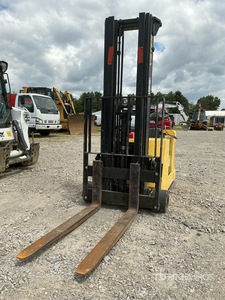
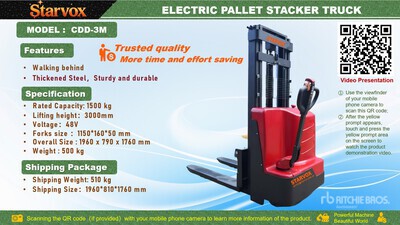
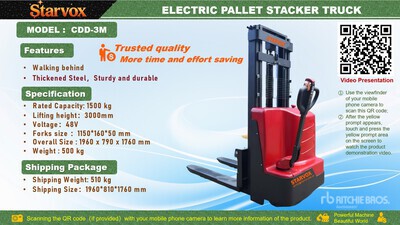
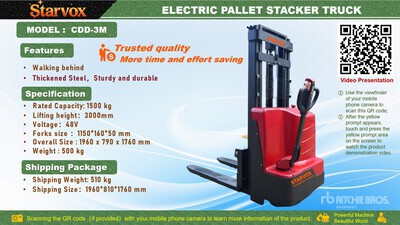
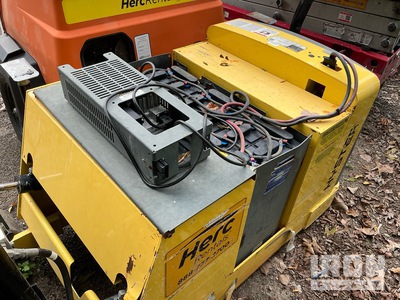
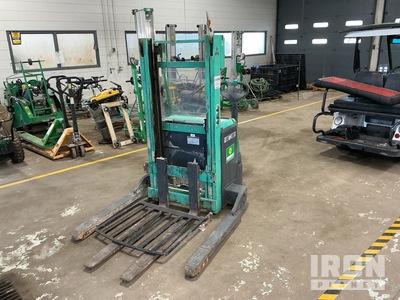
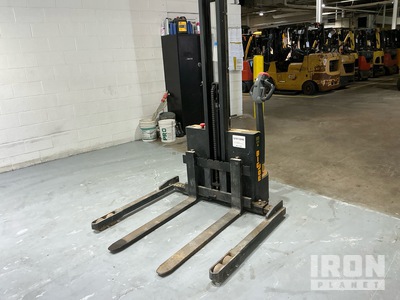
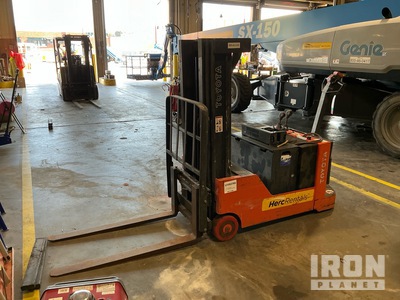
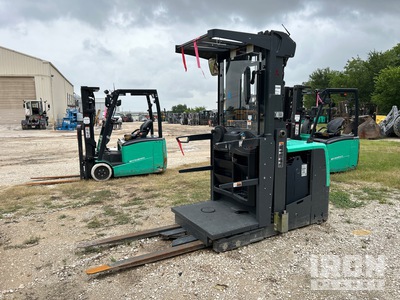
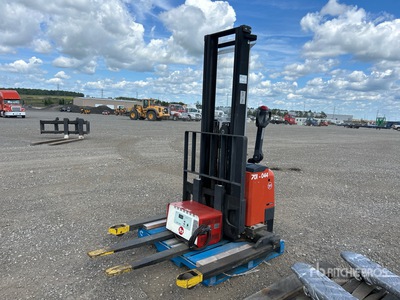
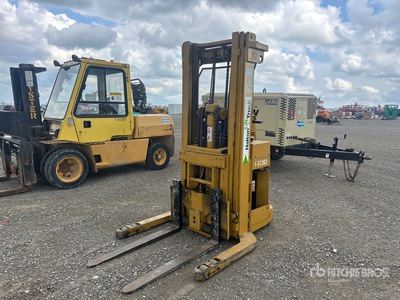
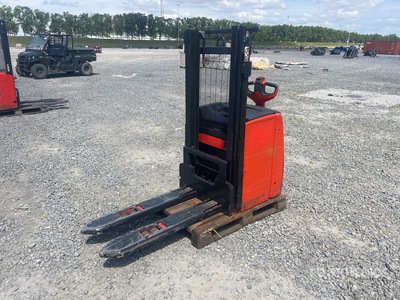
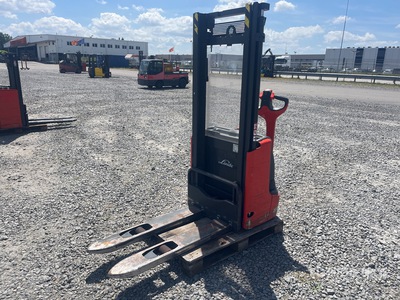
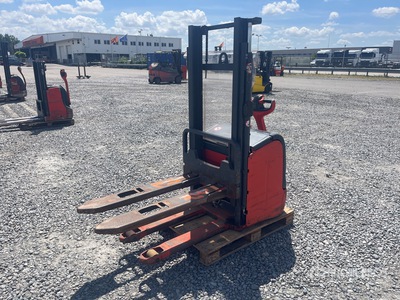
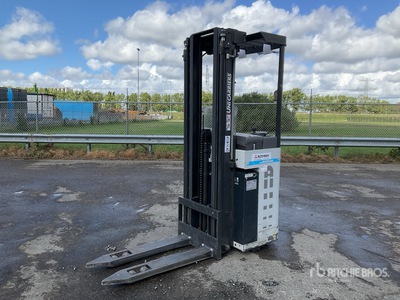
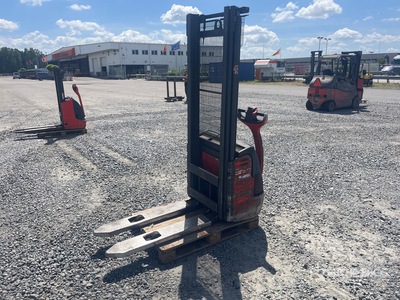
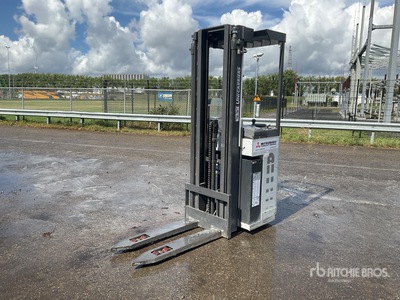
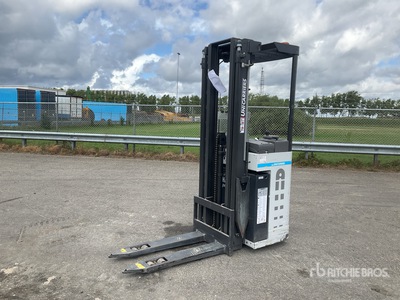
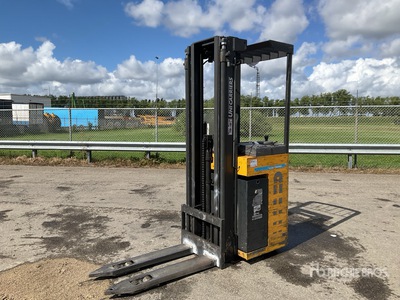
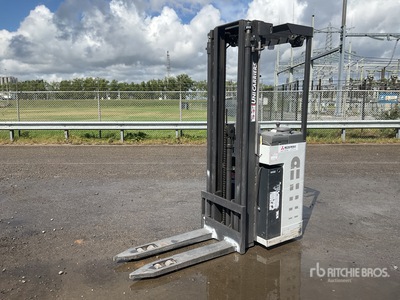
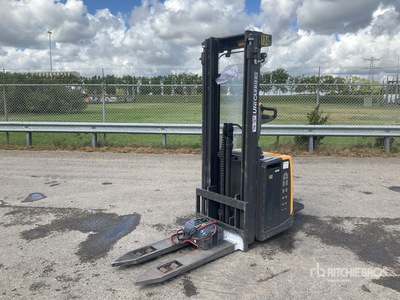
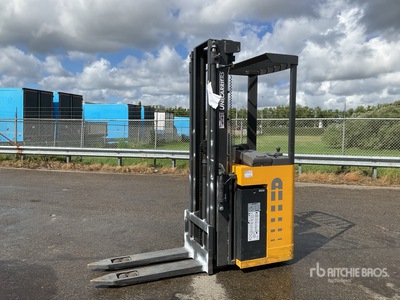
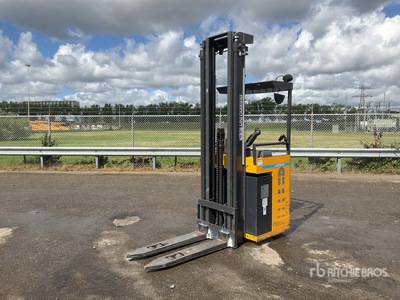
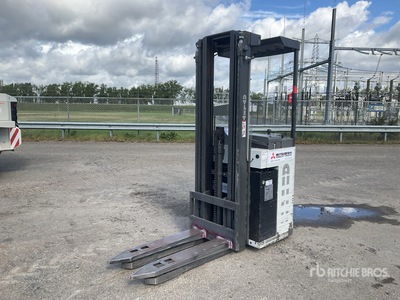
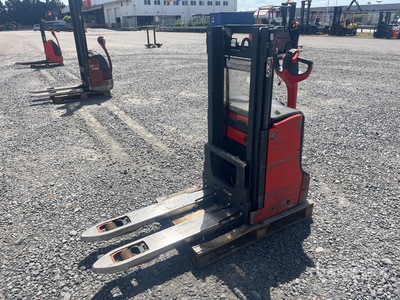
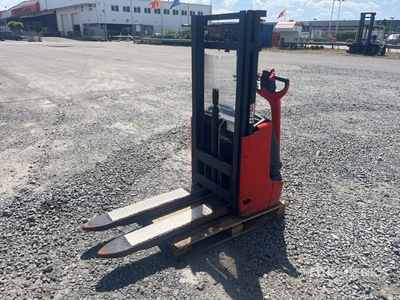
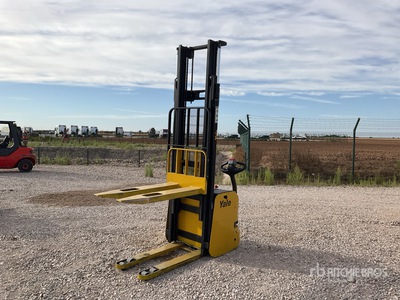
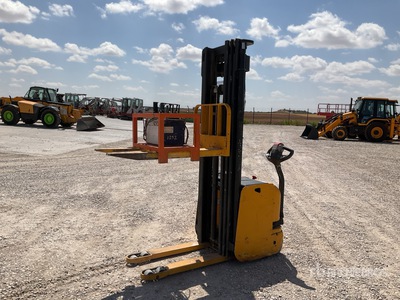
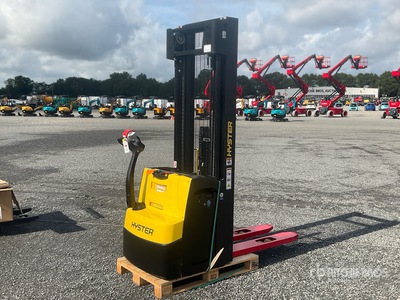
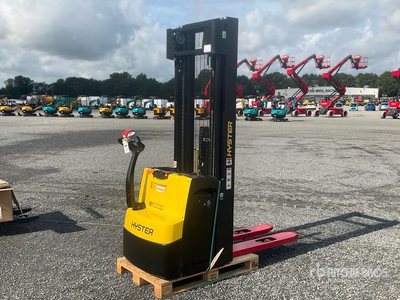
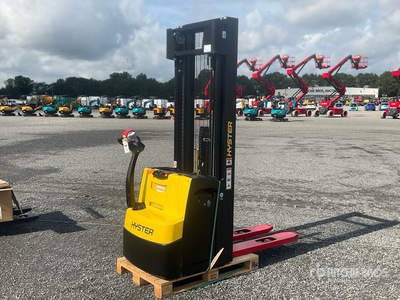
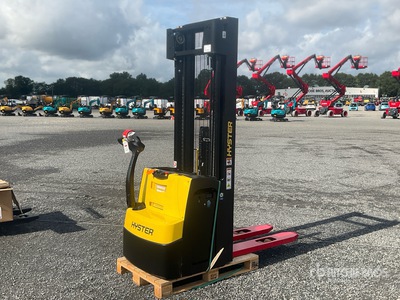
1-60 of 64
How electric stackers work and where they’re used
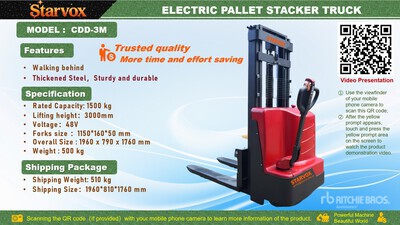
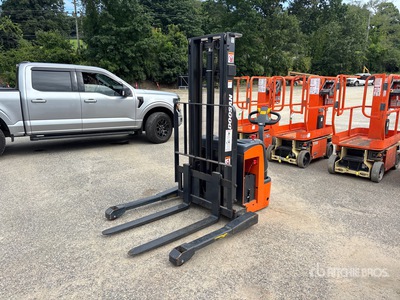
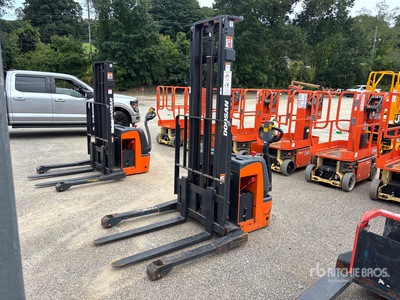
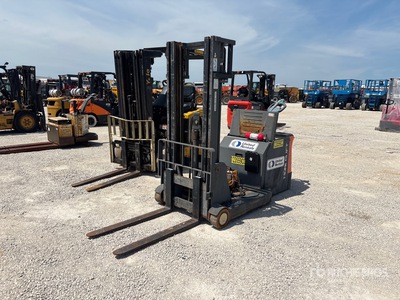
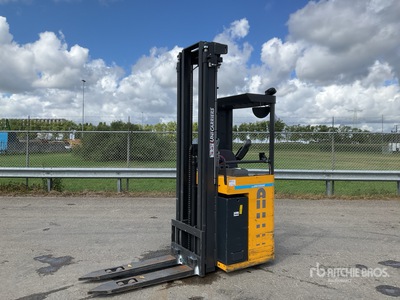
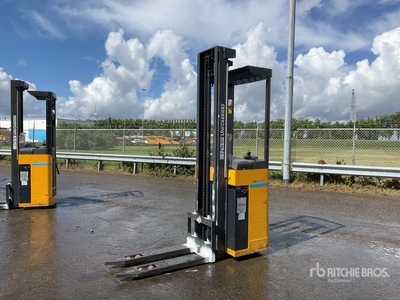
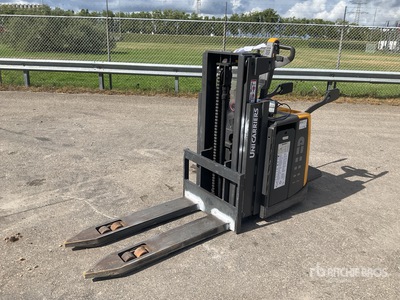
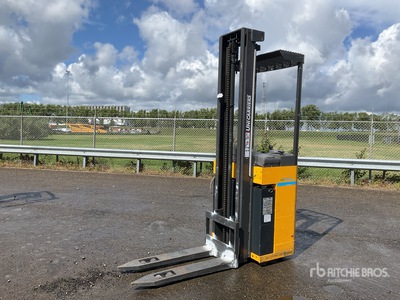
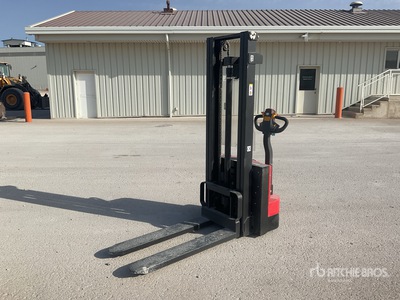
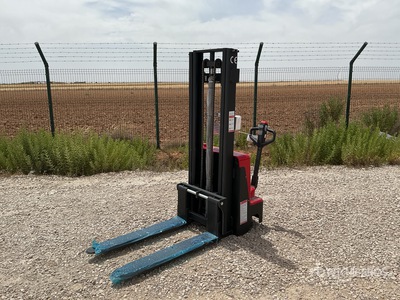
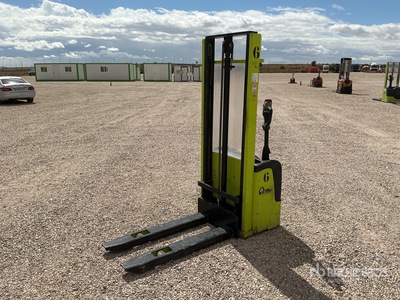
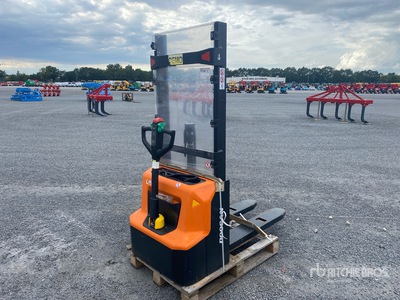
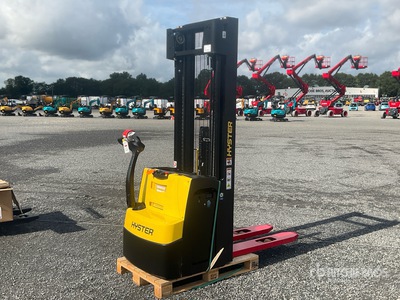
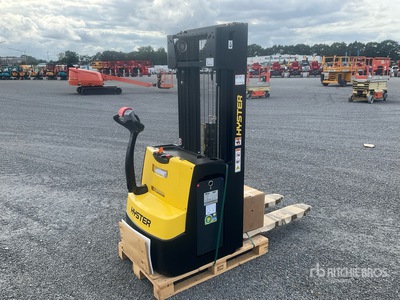
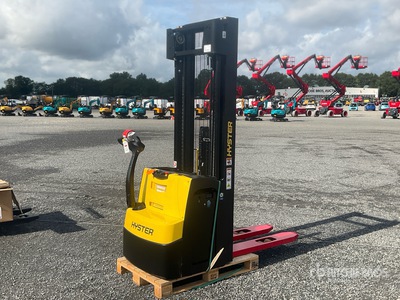
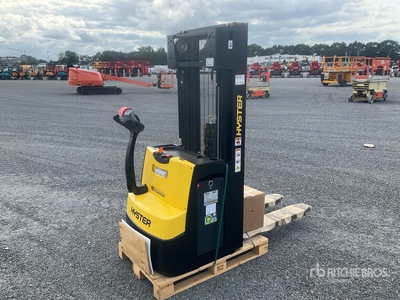
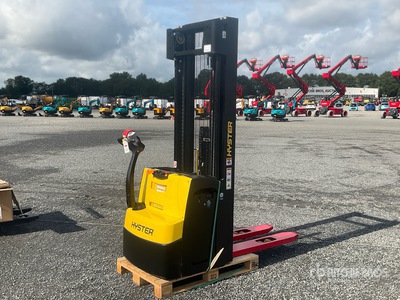
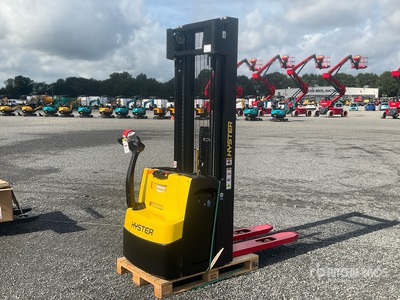
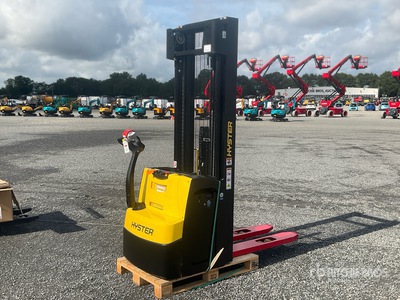
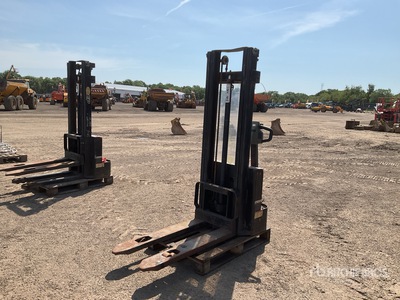
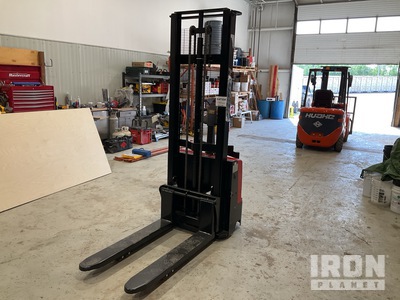
An electric stacker combines a powered drive system with a mast and forks to lift loads vertically. Operators typically walk behind the truck using a tiller handle (walkie design), controlling travel, lift, and lower functions. Electric traction reduces strain in stop-and-go movement, while proportional hydraulics help position pallets accurately at beam level. Because the chassis is compact and the turning radius is small, these pallet stackers excel in narrow aisles and dense storage areas where counterbalance forklifts struggle.
Common applications and industries
- Warehousing and logistics: Putaway and replenishment to the first several rack levels, case picking support, and staging at dock doors.
- Retail distribution and back rooms: Tight aisles, frequent restocking, and quick slot changes where maneuverability matters.
- Light manufacturing: Lineside material delivery, WIP movement, and small-batch changeovers.
- Food and beverage: Smooth indoor floors, frequent short runs, and consistent vertical placement needs.
- Cold storage: Environments where electric power, sealed components, and precise control improve safety and uptime.
Many operations pair electric pallet stackers with pallet jacks: the jack moves loads across short distances, while the stacker handles vertical placement into racking. For longer runs or multi-stop routes, some facilities add tow tractors or ride-on powered equipment to increase throughput.
Types of electric stackers
- Walkie stacker: A walk-behind, powered lift truck with compact dimensions for tight aisles and short travel distances. Ideal for low- to mid-level rack positions and frequent repositioning.
- Straddle stacker: Adds adjustable outrigger legs (“straddles”) around the pallet, improving stability and allowing work with non-standard pallets or closed-bottom skids.
- Counterbalance stacker: Uses a weighted chassis instead of straddles, helpful when you must approach loads directly or handle pallets where outriggers can’t fit.
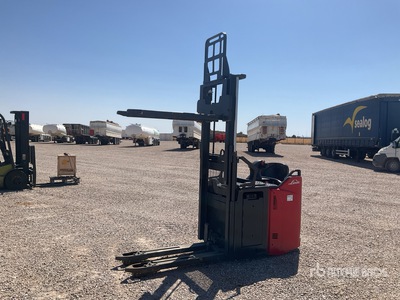
- Ride-on / platform variants: Extend operator comfort and speed for longer travel while keeping the walkie control layout.
Across these formats, buyers will see variations in lift height, capacity, mast visibility, and battery configuration (lead-acid or lithium-ion). Selecting the right combination ensures safe handling and consistent cycle times.
Electric stacker vs forklift: key differences
Both machines move pallets, but they serve different roles. Stackers are purpose-built for indoor, short-run handling with selective vertical placement. Forklifts cover heavier loads, taller lifts, mixed terrain, and outdoor yards. Use this quick comparison to align equipment with your facility’s demands:
- Footprint and aisles: Electric stackers are smaller and turn tighter, fitting narrow aisles and congested pick zones; forklifts require wider aisles.
- Lift height and capacity: Stackers typically serve low- to mid-level beams with moderate capacities; forklifts offer higher lifts and heavier ratings.
- Operator mode: Walkie designs emphasize precise, low-speed control and short travel; forklifts are ride-on and optimized for longer runs and mixed tasks.
- Floor conditions: Stackers prefer smooth, level floors; forklifts handle more surface variation and can work indoors or outdoors.
- Total cost and training: Stackers generally cost less to acquire and maintain and are simpler to train on for basic warehouse tasks.
If your operation centers on indoor pallet positioning with limited travel and tight space, a walkie stacker or electric pallet stacker is often the most efficient choice. If you frequently handle heavy freight, high lifts, or mixed indoor-outdoor duties, a forklift is likely the better fit.
Choosing the right electric pallet stacker
Start by mapping your typical loads, storage profile, and travel paths. Then match stacker specifications to those requirements:
- Capacity and load center: Confirm rated capacity at the correct load center for your pallets and product mix.
- Lift height and mast type: Choose a mast that reaches your highest beam while maintaining clear sightlines for safe placement.
- Aisle width and turning radius: Validate that the truck can turn, approach, and right-angle stack within your narrowest locations.
- Straddle vs counterbalance: Straddles add stability and pallet versatility; counterbalance frames help where outriggers can’t fit.
- Battery and charging: Lead-acid offers proven value; lithium-ion enables opportunity charging, fast turns, and low maintenance.
- Operator ergonomics: Look for intuitive tiller controls, proportional lift, stable braking, and optional ride platforms for longer travel.
- Service and parts access: Favor brands with local support, common wear parts, and straightforward maintenance procedures.
Terminology overlaps across markets. A “walking stacker,” “walkie stacker forklift,” or “walkie forklift” generally references the same class of powered pallet stackers. Keeping specs front-and-center helps you compare models accurately regardless of naming.
Why buying used electric stackers makes sense
Used electric stackers can deliver strong ROI thanks to lower upfront cost, limited depreciation, and long service life when maintained properly. Many facilities deploy multiple units to reduce congestion and improve pick-to-putaway cycles, and buying used can accelerate that fleet expansion. Common brand choices include Crown, Toyota, Raymond, Yale, Hyster, and Big Joe—each with broad parts availability and established dealer networks. When reviewing a pallet stacker for sale, examine battery health and charge cycles, mast wear and chain condition, wheel and caster wear, brake performance, and responsiveness of lift/lower controls. Clear documentation and recent service records are helpful indicators of uptime and total cost of ownership.
Explore electric stackers with confidence
Whether you need a compact walkie stacker for narrow aisles, a straddle stacker for mixed pallets, or a higher-capacity electric pallet stacker for busy putaway and replenishment, there are models to fit nearly any warehouse profile. With transparent specifications, photos, and condition details, buyers can compare options side-by-side and choose the configuration that supports safe, repeatable handling. If your facility values precise placement, small turning circles, and predictable indoor performance, electric stackers are a dependable way to raise productivity without oversizing your fleet.
Related search terms such as pallet stackers, walking stacker, walkie forklift, and pallet stacker for sale often describe this same family of compact, powered lift trucks. Align the model to your loads, aisles, and lift heights—and you’ll have a right-sized solution that keeps materials moving and storage space working harder.